
Why Use Silt Curtains to Protect Coral Reefs During Marine Construction?
Why Use Silt Curtains to Protect Coral Reefs During Marine Construction?
Coral reefs are among the most sensitive marine ecosystems. During dredging, piling, reclamation, and offshore construction, large quantities of suspended sediments are released into the water column. These fine particles can travel long distances, increasing turbidity, blocking sunlight, and settling on coral surfaces. Even short-term exposure to high suspended solids can stress corals, reduce photosynthesis, and cause long-term reef degradation.
To minimize these risks, silt curtains (turbidity curtains) are widely used as an essential environmental protection measure in marine construction projects.
Key Takeaways
Coral reefs are highly vulnerable to suspended sediment plumes
Silt curtains effectively contain turbidity within the construction zone
Optimized curtain structure improves durability and long-term performance
Environmentally compliant solution for reef protection in dredging and coastal works
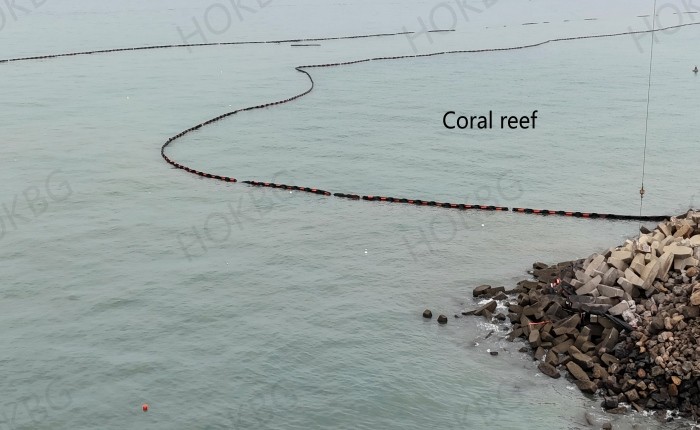
Why Coral Reefs Need Protection During Marine Works
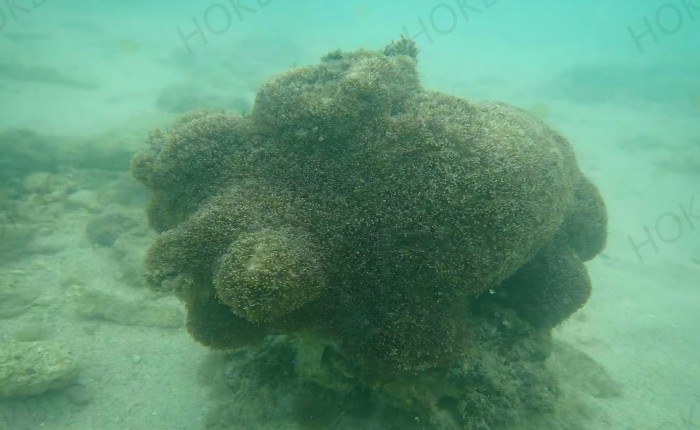
Marine construction activities disturb seabed sediments and release fine particles into surrounding waters. Without proper containment, these particles spread with currents and waves, creating turbidity plumes that reduce light penetration. Since corals rely on sunlight for symbiotic photosynthesis, reduced light levels directly impact coral health and growth.
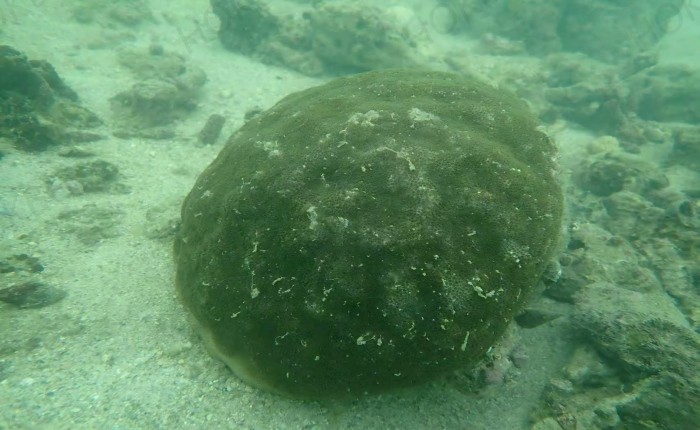
Additionally, suspended sediments can settle on coral polyps, smothering them and increasing mortality rates. For projects located near reef zones, regulatory authorities often require strict turbidity control measures to prevent irreversible ecological damage.
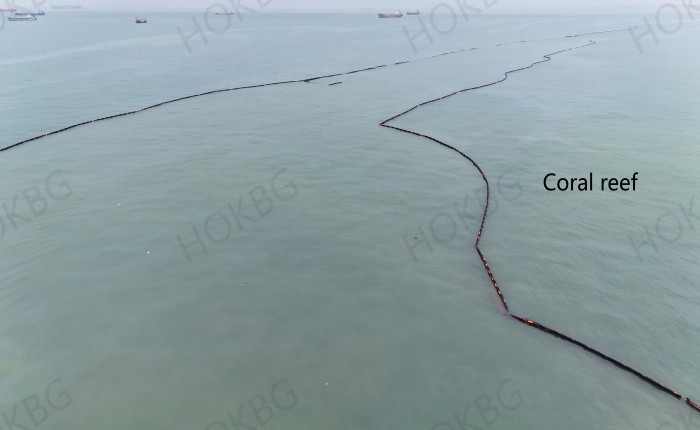
What Is a Silt Curtain and How Does It Work?
A silt curtain is a floating vertical barrier deployed around construction areas to contain suspended solids within a defined perimeter. It allows water to pass through while reducing the outward spread of fine sediments. By limiting turbidity dispersion, the curtain protects nearby coral reefs and other sensitive habitats.
The effectiveness of a silt curtain largely depends on the strength of the curtain fabric, the ballast stability, and the integrity of the structural design.
Optimized Silt Curtain Structure for Reef Protection
To address common durability and failure issues found in traditional curtains, our silt curtain features an optimized structural design tailored for harsh marine environments.
One-Piece UV-Resistant High-Strength Curtain Fabric
The curtain is made of one-piece UV-resistant high-strength round filament filter cloth.
This one-piece construction eliminates the need for fabric splicing, removing weak joints and significantly improving overall tensile strength and long-term reliability in high-UV offshore conditions.
Sandbag Ballast Instead of Steel Chains
Traditional silt curtains often use steel chains as ballast, which can corrode in seawater and eventually cut or damage the curtain fabric. Our design replaces chains with sandbag ballast, preventing rust-related wear while maintaining stable vertical positioning of the curtain under waves and tidal currents.
Factory Sewing with High Strength Retention
All stitching is completed in a controlled factory environment. The sewing strength can reach approximately 70% of the original fabric strength, ensuring strong seam performance without compromising the structural integrity of the curtain.
How Optimized Silt Curtains Protect Coral Reefs
Containing Suspended Sediment Plumes
By forming a physical barrier, the curtain limits the lateral movement of suspended particles, keeping turbidity confined within the work zone and reducing exposure to nearby coral reefs.
Maintaining Light Penetration
With turbidity effectively controlled, water clarity outside the curtain remains higher, allowing sufficient sunlight to reach coral communities and sustain photosynthetic activity.
Preventing Sediment Deposition on Corals
Reducing sediment dispersion also minimizes the risk of fine particles settling directly on coral surfaces, helping to avoid smothering and long-term reef stress.
Ensuring Long-Term Structural Reliability
The integrated fabric design, corrosion-free sandbag ballast, and high-strength factory stitching work together to provide a durable barrier capable of withstanding continuous marine exposure throughout the construction period.
Typical Applications Near Coral Reef Zones
Optimized silt curtains are commonly deployed in:
Dredging projects near coral reef habitats
Port and harbor expansion in reef-sensitive waters
Offshore piling and foundation construction
Coastal reclamation projects requiring strict turbidity control
These applications help contractors meet environmental compliance requirements while safeguarding fragile reef ecosystems.
Conclusion
Protecting coral reefs during marine construction is both an environmental responsibility and a regulatory necessity. By effectively containing suspended sediments and reducing turbidity dispersion, silt curtains play a critical role in minimizing construction impacts on reef ecosystems.
With an optimized structure featuring one-piece UV-resistant high-strength fabric, sandbag ballast to prevent corrosion damage, and factory stitching retaining up to 70% fabric strength, our silt curtain system offers a durable, reliable, and environmentally responsible solution for coral reef protection during marine works.