
A Beginner's Guide to Geotube Dewatering: Cost-Effective Sediment Management
Hey everyone! Today, I want to talk about something really cool that's helping us manage sediment and keep our environment cleaner: geotube dewatering. If you've ever wondered how large-scale water and sediment issues are handled, you're in for a treat. We're going to dive into how this technology offers a cost-effective and efficient way to separate solids from liquids, making a big difference in everything from wastewater treatment to protecting our coastlines. My goal is to break down this innovative solution in an easy-to-understand way.
Join me as we explore the simplicity, versatility, and environmental benefits of using a geotube for your sediment management needs. It's a game-changer for environmental and civil engineering projects, and by the end of this guide, you'll see why.
Key Takeaways
For those looking for the essential insights, here’s a quick rundown of what makes Geotube dewatering a standout solution:
- What is a Geotube? At its core, a Geotube is a massive, bag-like container made from high-strength, specially engineered permeable geotextile fabric. It’s designed to be filled with a slurry—a mix of water and solids like sludge, sediment, or industrial waste. The fabric’s unique weave allows water to seep out while securely trapping the solid particles inside.
- How Does It Work? The process is a simple, yet highly effective three-step operation: Filling, Dewatering, and Consolidation. Slurry, often pre-treated with polymers to help solids bind together, is pumped into the tube. As the pressure builds, water filters out through the fabric pores. Over time, the solids left inside compact and dry out, significantly reducing their volume.
- Major Benefits:
- Cost-Effective: Geotube systems are significantly cheaper than traditional mechanical dewatering methods like belt presses or centrifuges. They have no complex mechanical parts, require less energy, and reduce transportation and disposal costs by dramatically shrinking waste volume.
- Environmentally Friendly: The process has a minimal environmental impact. The filtered water (effluent) is often clean enough to be discharged back into the environment or reused in industrial processes. This passive, low-energy system also reduces the carbon footprint associated with waste management.
- Highly Efficient and Versatile: Geotube dewatering is a rapid process that can be applied to a huge variety of materials, from municipal sludge to hazardous industrial waste and fine-grained mining tailings. The tubes are available in custom sizes and can be used in areas with limited space.
- Wide Range of Applications: This technology is not a one-trick pony. It’s used globally for:
- Wastewater Treatment: Dewatering sludge from municipal and industrial plants.
- Coastal Protection: Creating artificial reefs, breakwaters, and stabilizing shorelines against erosion.
- Mining Operations: Managing tailings and recovering process water.
- Environmental Dredging: Cleaning contaminated sediments from rivers and ponds.
- What Happens to the End Product? Once the consolidation phase is complete, the dewatered solids are contained in the tube. Depending on the material, the entire tube can be transported to a landfill, or the dried solids can be excavated and put to beneficial use, such as for landfill cover or as a soil conditioner.
This technology represents a major step forward in managing slurries and sediments, combining high efficiency with environmental responsibility and significant cost savings. Now, let’s dive deeper into the details.
Understanding What a Geotube Is and How It Works
Before we get into the nitty-gritty of applications and benefits, it’s essential to grasp what a Geotube is and the fundamental principles behind its operation. The concept is brilliantly simple yet rooted in advanced material science.
The Basics of a Geotube
Imagine a massive, incredibly strong bag or tube designed to act as a giant filter. That, in essence, is a Geotube. These containers are fabricated from high-tenacity polypropylene or polyester woven geotextiles, which are engineered for exceptional strength, durability, and permeability. The fabric is designed to be tough, capable of withstanding significant pressure during filling and resistant to environmental factors like UV radiation and chemical exposure.
Key characteristics of a Geotube include:
- Engineered Fabric: The material's magic lies in its pore structure. The openings are small enough to retain fine solid particles but large enough to allow water to pass through freely. This filtration capability is the core of the dewatering process.
- High-Strength Seams: Geotubes are constructed with robust seaming techniques to ensure they don't burst under the immense pressure of the hydraulic filling process. Some designs use a spiral stitch technique that reinforces the tube's overall strength.
- Customizable Sizes: Geotubes are not a one-size-fits-all product. They are manufactured in various circumferences and can be made to custom lengths, sometimes up to 200 feet or more, to match the specific volume requirements and spatial constraints of a project. They often include filling ports spaced along the top for easy and even filling.
These are not simple bags; they are sophisticated engineering solutions also known as geo-bags or geotextile containers. Their design, which features no complex belts, gears, or mechanics, makes them a simple and low-cost solution for dewatering projects of any scale.
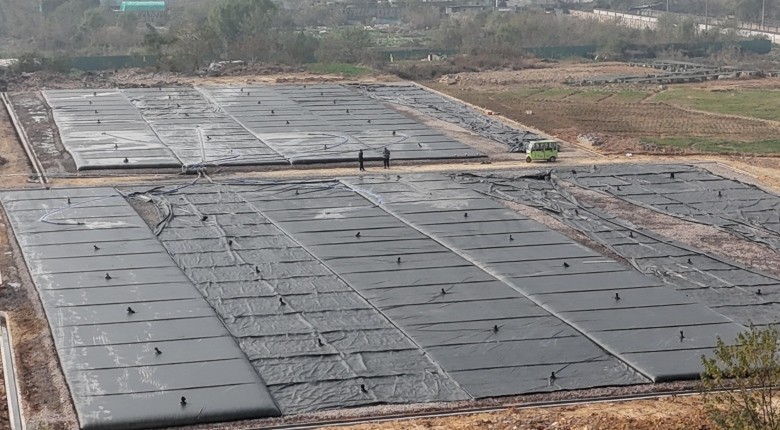
The Geotube Dewatering Process Explained
The process of separating solids from liquids using a Geotube can be broken down into three distinct stages: Filling, Dewatering, and Consolidation. This passive dewatering approach is what makes the technology so efficient and cost-effective.
Stage 1: Filling The process begins by pumping a slurry—a mixture of water and solid material like dredged sediment, municipal sludge, or industrial waste—directly into the Geotube. In many cases, especially when dealing with very fine particles, flocculant polymers are added to the slurry just before it enters the tube. These environmentally safe polymers cause the fine particles to bind together into larger masses (or "flocs"). This conditioning is a crucial step that enhances the efficiency of the dewatering process by preventing the small particles from clogging the fabric's pores and accelerating water release.
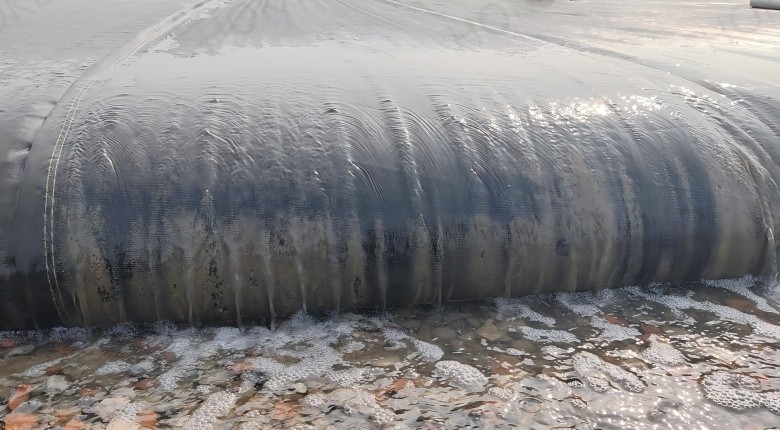
Stage 2: Dewatering As the Geotube fills with slurry, the hydraulic pressure from the pumping action forces the water out through the permeable geotextile fabric. The specially engineered pores of the fabric trap the flocculated solids inside, while the clear water, or effluent, drains out. This effluent is often of sufficient quality to be returned directly to the source waterway or sent to the headworks of a treatment plant. A single tube can be filled and allowed to dewater multiple times to achieve the desired capacity.
Stage 3: Consolidation After the final filling cycle is complete, the captured solids remain contained within the tube. The consolidation phase begins, where the solids continue to dewater passively. This process is aided by desiccation, as water vapor escapes through the fabric, and by self-weight compression, where the weight of the material itself squeezes out more water. This stage can reduce the volume of the original slurry by up to 90%. After a period of consolidation, the dewatered solids form a dense, dry cake. At this point, the tube and its contents can be taken to a landfill, or the solids can be excavated and used for other purposes if appropriate.
This three-step system is highly effective, turning a high-volume liquid waste problem into a manageable, low-volume solid material.
Why Choose Geotube Dewatering? Benefits Galore!
Now that we understand the "what" and "how" of Geotube technology, the next logical question is "why?" Why are so many industries—from municipal wastewater treatment to large-scale mining operations—adopting this method over more traditional approaches? The answer lies in a powerful combination of economic, environmental, and operational advantages.
Cost-Effectiveness of a Geotube Solution
For many organizations, the bottom line is a primary driver of decision-making. Geotube dewatering shines as an exceptionally cost-effective alternative to mechanical dewatering systems like belt presses, centrifuges, or sludge lagoons. The savings are realized across multiple fronts:
- Low Capital Investment: Compared to the high upfront cost of purchasing, installing, and housing complex mechanical equipment, Geotube systems require minimal capital investment. There are no motors, gears, or complicated moving parts, which drastically lowers the initial price tag.
- Reduced Operational and Maintenance Costs: The simplicity of the Geotube system translates to lower operational expenses. The process is largely passive, relying on gravity and natural evaporation, which means significantly lower energy consumption. Without mechanical components, the need for regular maintenance and costly repairs is virtually eliminated. This frees up staff and resources that would otherwise be dedicated to keeping complex machinery running.
- Significant Savings on Transportation and Disposal: This is perhaps the most significant economic benefit. Slurries can be more than 95% water. By dewatering on-site, Geotube technology dramatically reduces the volume of the waste material, often by 90% or more. Instead of paying to transport massive quantities of water-laden sludge, you're only hauling away the concentrated solids. This leads to a massive reduction in trucking needs, fuel consumption, and disposal fees at landfills. One case study noted that a single large Geotube could hold the equivalent of 50 tanker truck loads of liquid slurry, demonstrating the immense savings potential.
- Optimized Land Usage: Geotube containers can be custom-sized to fit the available footprint, making them ideal for sites where space is limited. They can also be stacked to make use of vertical space, further optimizing land use compared to sprawling drying beds or lagoons.
For small- to mid-sized municipalities and companies facing tight budgets, Geotube dewatering offers a practical and affordable path to efficient solids management without the financial strain of traditional methods.
Environmental Advantages of Using a Geotube
Beyond the economic incentives, Geotube technology offers compelling environmental benefits that align with modern sustainability goals. It’s a green solution that minimizes the ecological footprint of waste management.
- Clean Effluent and Water Recovery: The dewatering process produces a clear filtrate that can often be returned to the ecosystem without further treatment, provided it meets local regulatory standards. The system effectively captures fine particles and contaminants within the tube. In industrial or mining applications, this recovered water can be routed back into the process, reducing the need to draw fresh water and creating a more circular, sustainable operation.
- Reduced Carbon Footprint: The low-energy, passive nature of the system is a major environmental plus. By avoiding the energy-intensive operation of mechanical presses and drastically reducing the number of truck trips required for disposal, Geotube dewatering significantly cuts down on CO2 emissions and overall fuel consumption.
- Effective Contaminant Containment: The durable, sealed nature of the Geotube containers minimizes the risk of environmental contamination. Odors are contained, and the potential for leachate to seep into the ground and contaminate soil or groundwater is greatly reduced, which is a common concern with open-air drying beds.
- Habitat Preservation and Creation: In coastal applications, Geotubes can be used to build structures like breakwaters and artificial reefs that prevent erosion and can even promote marine habitat. Once installed, these structures can be vegetated, allowing them to blend seamlessly into the natural landscape.
By combining waste volume reduction with water recovery and lower energy use, Geotube dewatering presents a powerful tool for responsible environmental stewardship.
Efficiency and Versatility of the Geotube System
The operational advantages of speed, efficiency, and adaptability make Geotube technology a highly practical choice for a wide range of scenarios.
- Rapid and High-Volume Dewatering: Compared to the slow process of open-air drying in lagoons, which can take months or years, Geotube dewatering is remarkably fast. The combination of hydraulic pressure and polymer conditioning allows for rapid separation of water and solids, enabling large volumes of slurry to be processed quickly. This efficiency means projects can be completed faster, reducing downtime and accelerating timelines.
- Operational Simplicity: The system is straightforward to operate. Once the pumps and polymer system are set up, the process requires minimal operator input. There are no complex controls or mechanics to manage, which reduces the potential for operator error and enhances site safety.
- Unmatched Versatility: This is one of the technology’s greatest strengths. Geotube systems are not limited to a single type of material or industry. They are a "one-stop" solution applicable to:
- Municipal Biosolids
- Industrial sludges (e.g., pulp and paper, food processing)
- Mining and mineral processing tailings
- Dredged sediments (both contaminated and clean)
- Agricultural waste (e.g., manure)
- Adaptable to Any Climate and Site: Geotube containers are reliable in all weather conditions. The process can continue in rain or cold, and in colder climates, freeze-thaw cycles can even aid the consolidation process. Their customizable nature means they can be deployed in tight urban spaces, remote mining sites, or sensitive coastal areas with equal effectiveness.
This combination of cost savings, environmental responsibility, and operational flexibility is why Geotube dewatering is increasingly recognized as the superior choice for modern sediment and sludge management challenges.
Diverse Applications Where Geotube Technology Shines
The true measure of an innovative technology is its versatility. Geotube dewatering systems are far more than a niche product; they are a robust and adaptable solution employed across a vast spectrum of industries to solve critical environmental and engineering challenges. From bustling cities and remote coastlines to heavy industrial sites, Geotube technology provides an efficient, cost-effective, and sustainable method for managing sediment and sludge.
Geotube in Wastewater Treatment and Sludge Management
Wastewater treatment plants (WWTPs), both municipal and industrial, generate enormous quantities of sludge as a byproduct of the treatment process. Managing this sludge is one of the most significant operational challenges and costs for these facilities. Geotube dewatering has become a preferred method for sludge management for several key reasons.
Traditionally, WWTPs relied on mechanical equipment like centrifuges or belt presses, or vast drying beds and lagoons. Mechanical systems are expensive to purchase, energy-intensive to run, and require constant maintenance. Lagoons and drying beds, while cheaper, consume huge amounts of land and can take months or even years to dewater sludge, all while potentially creating odor problems.
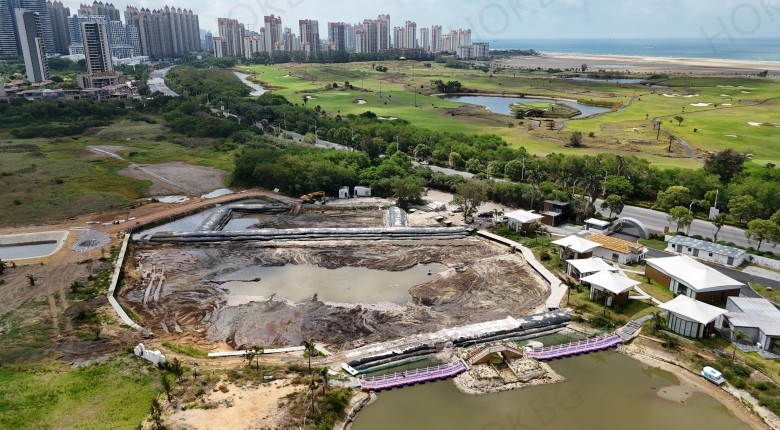
Geotube systems offer a superior alternative. Sludge can be pumped directly from digesters or stabilization ponds, a process that is often improved by adding specialized polymers to aid in solid-liquid separation. This slurry is then pumped into Geotube containers. The system achieves a high solids capture rate, often over 98%, while the filtered water (filtrate) is typically clean enough to be returned to the plant's headworks for retreatment. This is particularly beneficial for tasks like Cleaning the silt from the pond.which can restore lagoon capacity and improve overall treatment efficiency.
Key benefits in this application include:
- Increased Capacity: By placing Geotube units on existing drying beds, a plant can multiply its dewatering capacity without expanding its footprint.
- Cost and Labor Savings: The passive, low-energy system dramatically cuts operational costs and frees up personnel from managing complex machinery. This can lead to hundreds of saved labor hours and significant financial savings.
- Odor and Contaminant Control: The enclosed nature of the Geotube containers dramatically reduces odor issues associated with open-air sludge drying and contains contaminants effectively. This makes it a much more neighbor-friendly solution.
- Emergency and Supplemental Use: Geotube systems can be rapidly deployed to handle seasonal sludge spikes or serve as a backup if mechanical equipment fails, preventing operational disruptions.
Coastal Protection and Erosion Control with Geotube
Our coastlines are invaluable natural and economic resources, but they face constant threats from erosion caused by waves, storms, and rising sea levels. Geotube technology provides a powerful, effective, and often more natural-looking alternative to traditional "hard" coastal defenses like concrete seawalls and rock armor.
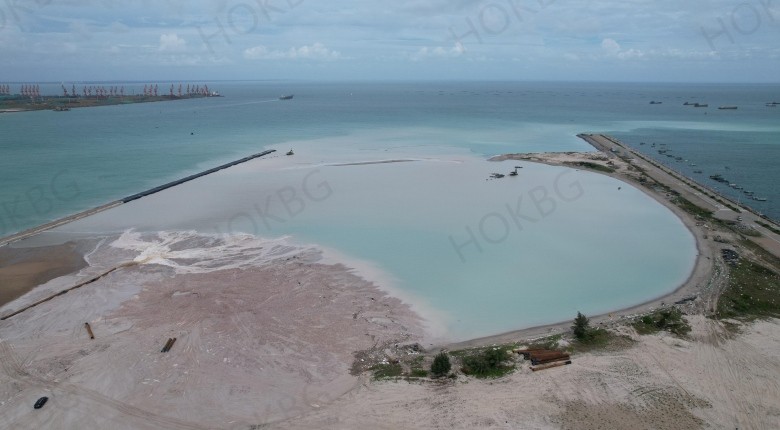
In this application, Geotube containers are filled with local sand and water and placed strategically along shorelines. They can be used to create a variety of protective structures:
- Breakwaters: Placed offshore, Geotubes can reduce wave energy before it reaches the beach, preventing erosion.
- Dunes and Berms: Tubes can be used to create the core of new sand dunes, which act as a natural buffer against storm surges. After installation, they can be covered with sand and planted with vegetation to create a "living shoreline" that blends into the environment.
- Groynes: Structures built perpendicular to the shore to trap sand and widen beaches.
- Revetments: Used to armor the banks of rivers and shorelines directly against scouring forces.
The sheer mass of a sand-filled Geotube—a single 100-foot tube can weigh up to 150 tons—makes it a formidable barrier. Their elliptical shape helps to deflect ice and debris, making them highly durable. This method has been successfully used to rehabilitate beaches after major hurricanes and to protect vital coastal infrastructure and property around the world.
Geotube's Role in Mining and Industrial Projects
The mining and mineral processing industries produce vast quantities of waste, including tailings (the leftovers after valuable minerals are extracted) and various sludges. Properly managing this waste is a critical environmental and operational challenge. Geotube dewatering offers a simple, sustainable, and cost-effective alternative to traditional, complex mechanical processing.
In mining, Geotubes are used for:
- Tailings Management: Tailings slurry is pumped into Geotube containers, where the solids are captured and dewatered. This significantly reduces the volume of the waste, often by up to 90%, and consolidates it into a stable mass. The dewatered solids can be safely stored on-site or even used to construct dikes and berms for the tailings storage facility itself, creating a closed-loop system.
- Water Recovery: The effluent drained from the tubes is often clean enough to be reused in mining operations, reducing the mine's overall water consumption, which is a critical benefit in water-scarce regions.
- Precious Metals Recovery: In some cases, fine particles of valuable metals that escape the primary extraction process can be captured in the Geotubes. This captured material can then be reintroduced into the ore processing system, turning a waste management cost into a revenue stream.
- Acid Mine Drainage: Geotubes can effectively contain and dewater the sludge produced from treating acid mine drainage, preventing harmful contaminants from reaching the environment.
Similarly, other industries like pulp and paper manufacturing, power plants (for coal ash), and chemical processing benefit from using Geotube technology to dewater their specific industrial sludges, reducing disposal costs and environmental liability.
Setting Up Your Geotube: Installation Insights
While the concept behind Geotube dewatering is simple, a successful project hinges on proper planning and execution. The installation process, from preparing the site to filling the tubes, requires careful attention to detail to ensure efficiency, safety, and optimal performance. Here’s a look at the key steps involved.
Preparing the Site for Your Geotube
Proper site preparation is the foundation of a successful Geotube installation. The goal is to create a stable, secure, and efficient area for the dewatering process to take place.
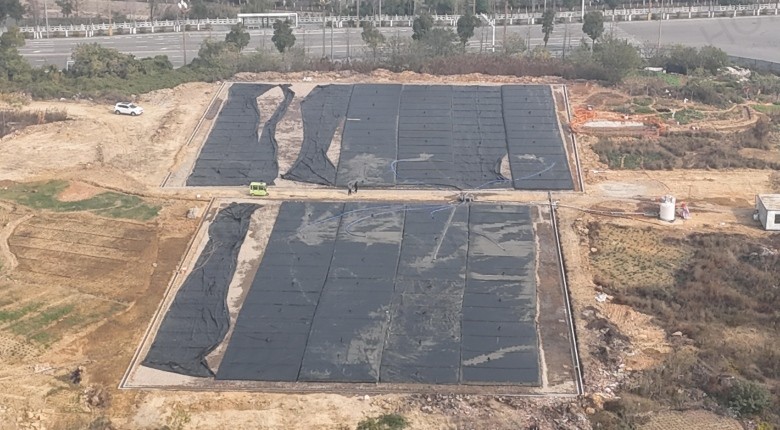
1. Site Selection and Layout (The "Laydown Area"): The first step is identifying a suitable location, often called the laydown or dewatering area. This area must be large enough to accommodate the full size of the Geotube(s) and any necessary equipment. Key considerations include:
- Stability: The ground must be stable and capable of supporting the immense weight of the filled tubes. Soft or unstable soils might require reinforcement, such as a foundation layer of sand or a strong geotextile mat, to prevent settling.
- Grading: The site should be graded to be level, ideally with a very slight slope (less than 0.5% grade) to facilitate controlled drainage. This prevents the tubes from rolling and ensures even stress distribution.
- Clearing: The area must be cleared of all sharp objects, such as rocks, roots, and debris, that could puncture or damage the Geotube fabric.
2. Drainage and Effluent Management: A critical part of site prep is planning for where the water will go.
- Drainage Ditches: Peripheral drainage ditches and collection sumps should be excavated around the laydown area. This system collects the effluent that seeps from the tubes.
- Impermeable Liner: Often, an impermeable geomembrane liner is placed across the entire dewatering cell before the tube is unrolled. This liner contains the draining water and directs it toward the collection sumps, preventing it from seeping into the ground. This is especially important when dealing with contaminated materials.
- Recycling System: The collected effluent can then be pumped back to the water source, a treatment facility, or reused in the dredging and pumping process.
3. Anchoring: Once the laydown area is prepared, the Geotube is unrolled and positioned according to the project design. It might be secured in place with temporary fixtures to prevent it from moving during the initial filling stages. For shoreline projects, proper anchoring is critical to ensure the tube maintains its alignment against water currents.
Filling and Operating Your Geotube
With the Geotube in position, the operational phase begins. This involves carefully filling the tube and monitoring the process to ensure everything proceeds as planned.
1. Connecting the Pumping System: A discharge pipe from the dredge or sludge pump is connected to one of the filling ports on the Geotube. These "shirt-sleeve" style ports are designed to be secured tightly around the pipe to prevent leaks and blowouts during the high-pressure filling.
2. Pumping and Polymer Injection: The slurry is pumped into the Geotube. If polymers are being used, they are injected into the pipeline just before the slurry enters the tube, allowing for proper mixing and flocculation. The pumping rate and pressure must be carefully controlled.
3. Monitoring During Filling: Continuous monitoring is crucial during the filling stage to ensure safety and effectiveness. Operators must watch for:
- Fill Height: Each Geotube has a maximum recommended fill height based on its circumference and the nature of the slurry. Overfilling can put excessive stress on the fabric and seams, risking a rupture.
- Pressure: Gauges on the pump line help monitor the internal pressure of the tube.
- Even Distribution: The slurry should distribute evenly throughout the tube. If sediment accumulates at one end, the filling position may need to be adjusted to a different port.
4. Phased Filling Cycles: A Geotube is rarely filled in a single, continuous operation. A more effective approach is to use phased filling cycles. The tube is filled to a certain level and then allowed to dewater and consolidate for a period. This reduces the volume inside and creates more capacity. This cycle of filling and dewatering can be repeated until the tube has reached its maximum solids capacity, which can be after 3 to 5 lifts or more.
5. Dewatering and Consolidation Monitoring: Once filling stops, the dewatering and consolidation phases continue passively. The clarity of the effluent should be monitored to ensure the filtration is effective. Over time, the tube will visibly decrease in height as water drains and solids compact. This process can take days, weeks, or even months, depending on the material and climate conditions, until the solids reach a state dry enough for final disposal or reuse.
By following these installation and operational best practices, a Geotube system can provide a highly efficient, safe, and cost-effective solution for sediment management.
Frequently Asked Questions (FAQ)
Here are answers to some of the most common questions beginners have about Geotube dewatering technology.
1. How long does the complete dewatering process take?
The timeline for Geotube dewatering varies significantly depending on several factors. The initial dewatering phase, where bulk water is expelled during and immediately after filling, is quite rapid. However, the full consolidation phase—where the solids compact and dry to their final state—can take anywhere from a few weeks to several months. Key influencing factors include:
- Type of Material: Fine-grained clays and organic sludges hold water more tightly and will dewater more slowly than sandy materials.
- Polymer Conditioning: The right polymer can drastically speed up the dewatering rate.
- Climate: Warm, dry, and windy conditions accelerate evaporation and desiccation, speeding up consolidation. Colder, more humid climates will slow the process. Freeze-thaw cycles, however, can be beneficial by breaking down the solids' structure and releasing more water.
- Tube Size: Larger tubes will naturally take longer to dewater completely.
2. What happens to the Geotube and the dried solids after the process is finished?
Once the solids inside have reached the target dryness, there are several options for disposal, depending on the material and project goals:
- Landfill Disposal: The most common option is to transport the dewatered solids to a landfill. The Geotube can be cut open, and the solid material can be excavated with standard equipment like front-end loaders. In some cases, smaller tubes (like those used in roll-off boxes) can be transported and landfilled directly.
- Beneficial Reuse: If the dewatered material is non-hazardous, it can often be repurposed. Common uses include landfill capping material, structural fill for construction projects, or, in the case of certain biosolids and agricultural wastes, as a nutrient-rich soil amendment or compost.
- On-site Permanence: In coastal protection and land reclamation applications, the Geotube and its sand filling are designed to be a permanent part of the structure, often eventually being covered by vegetation.
The Geotube fabric itself is typically a one-time use product and is disposed of along with the solids, though recycling options may be available depending on the material's condition.
3. Can Geotubes be used in cold climates or during winter?
Yes, Geotube systems are effective in all climates, including cold ones. Filling operations can proceed as long as the slurry can be pumped without freezing. Once filled, the passive dewatering process continues. In fact, cold weather can be advantageous. Freeze-thaw cycles can enhance the dewatering process by breaking apart the structure of the solid mass, which releases additional water when temperatures rise. For year-round operations in extremely cold regions, the dewatering pad can be enclosed in a cost-effective greenhouse-like structure to maintain temperatures above freezing.
4. What kind of maintenance is required for a Geotube system?
One of the biggest advantages of Geotube systems is their minimal maintenance requirements. Since there are no mechanical parts like belts, gears, or motors, the system is not subject to frequent breakdowns or wear and tear. Maintenance primarily involves:
- Monitoring: Regular observation during the filling process to check for proper fill height, pressure, and any potential leaks.
- Site Upkeep: Ensuring the dewatering pad and drainage channels remain clear and functional.
- Pump and Polymer System Maintenance: The only mechanical components are the feed pump and the polymer dosing unit, which require standard maintenance like any other pump system. Compared to the constant upkeep and specialized labor needed for mechanical dewatering equipment, the Geotube process is virtually maintenance-free.
5. How do you know which Geotube size and polymer to use?
This is a critical part of the project design and is a scientific process, not guesswork.
- Material Testing: Before a project begins, a sample of the slurry is sent to a lab for analysis. A Rapid Dewatering Test (RDT) is performed to determine the best type of geotextile fabric and to screen for the most effective polymer and the optimal dosage.
- Geotube Dewatering Test (GDT): A small-scale Geotube bag is used to simulate the dewatering process with the selected polymer. This test helps visualize the process, analyze the effluent quality, and estimate the final percentage of dry solids that can be achieved.
- Sizing Calculations: Based on the total volume of slurry to be treated and the results from the lab tests, engineers can accurately calculate the required number and size of Geotube containers needed for the project. This ensures the system is neither over-designed nor under-equipped for the task.
Working with an experienced provider is key, as they can perform these essential tests and provide the technical expertise to design the most efficient and cost-effective solution for your specific needs.
Conclusion
As we've seen, geotube dewatering offers a powerful, yet simple, solution for managing sediment and liquid waste across a multitude of industries. It's truly a game-changer for environmental and civil engineering projects, offering a passive system that leverages gravity and advanced fabric technology to achieve results that are often superior to complex, energy-intensive mechanical alternatives.
From saving money through reduced disposal costs to protecting our planet with a lower carbon footprint and effective contaminant capture, the benefits of a geotube are clear and compelling. I hope this guide has given you a solid understanding of this incredible technology, from its basic principles and diverse applications to the practical steps of installation and operation.
If you're looking for an effective, environmentally friendly, and affordable way to handle sediment or sludge, I highly recommend exploring geotube solutions. It’s an investment in efficiency and sustainability that pays dividends in both cost savings and environmental protection. This technology isn't just about managing waste; it's about doing so in a smarter, cleaner, and more responsible way.
I encourage you to share this article with colleagues who might find it useful and to delve deeper into how Geotube technology could be applied to your own projects.