
Constructing new marine settlements
Home / Artificial Beach Construction Solution-Creating Beautiful, Sustainable and Long-Lasting Beaches
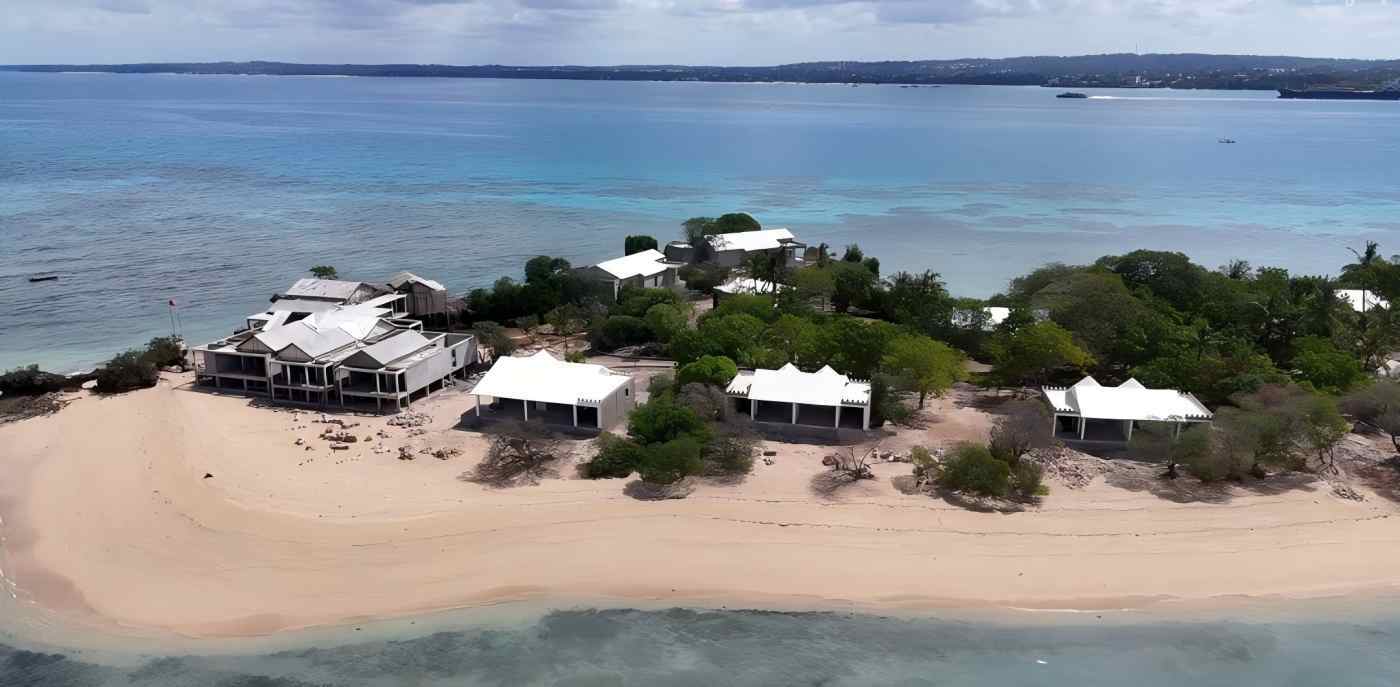
Project Background
Artificial beaches have become a signature feature of luxury island resorts, waterfront hotels, private islands, and coastal tourism developments. Beyond enhancing aesthetics, a well-designed beach improves shoreline stability, increases recreational space, and creates long-term commercial value.
Successful artificial beach construction requires more than simply placing sand along the shoreline. Factors such as wave climate, tidal variation, currents, seabed conditions, and sediment characteristics must be carefully evaluated to ensure long-term beach stability and minimize erosion.
HOKBG provides complete engineering solutions for artificial beach construction, integrating beach design, Geo Tube cofferdam systems, hydraulic sand filling, shoreline stabilization, and technical support into a comprehensive coastal development solution.
Engineering Challenges
Artificial beach projects commonly face several engineering challenges:
• Beach erosion caused by waves and tidal currents.
• Loss of fill sand during hydraulic placement.
• Unstable seabed conditions.
• Seasonal shoreline changes.
• Protection of coral reefs and sensitive marine ecosystems.
• Construction within active resort environments.
• Long-term beach profile maintenance.
HOKBG Artificial Beach Solution
HOKBG offers a complete engineering solution covering every stage of artificial beach construction.
The system integrates:
• Coastal engineering design
• HOKBG High-Strength UV-Resistant Geo Tube Cofferdam System
• Hydraulic sand filling
• Beach profiling and grading
• Shoreline stabilization
• Beach protection systems
• Technical guidance throughout construction
Depending on project requirements, the Geo Tube cofferdam may serve as a temporary containment structure during construction or remain as part of a permanent coastal protection system protected by concrete-filled membrane bags, precast concrete panels, rock revetments, or other engineered revetment systems.
Construction Methodology
STEP 01
Site Investigation:
Comprehensive investigations are carried out to evaluate bathymetry, seabed conditions, tides, currents, waves, and environmental constraints.STEP 02
Beach Engineering Design:
Beach width, crest elevation, slope, and shoreline alignment are optimized according to hydraulic conditions and project objectives.STEP 03
Geo Tube Cofferdam Installation:
HOKBG High-Strength UV-Resistant Geo Tubes are manually deployed without heavy lifting equipment.The tubes are hydraulically filled with clean sand or low-silt sand to establish a stable construction boundary.
STEP 04
Hydraulic Sand Filling:
Beach-quality sand is hydraulically pumped into the enclosed construction area.
Filling operations are continuously monitored to achieve the designed beach elevation and profile.
STEP 05
Beach Profiling:
After filling, the beach surface is graded and shaped to achieve the specified beach width, slope, and elevation.
STEP 06
Beach Stabilization:
Depending on site conditions, shoreline stabilization measures may include Geo Tubes, concrete-filled membrane bags, rock revetments, submerged breakwaters, or other coastal protection systems.
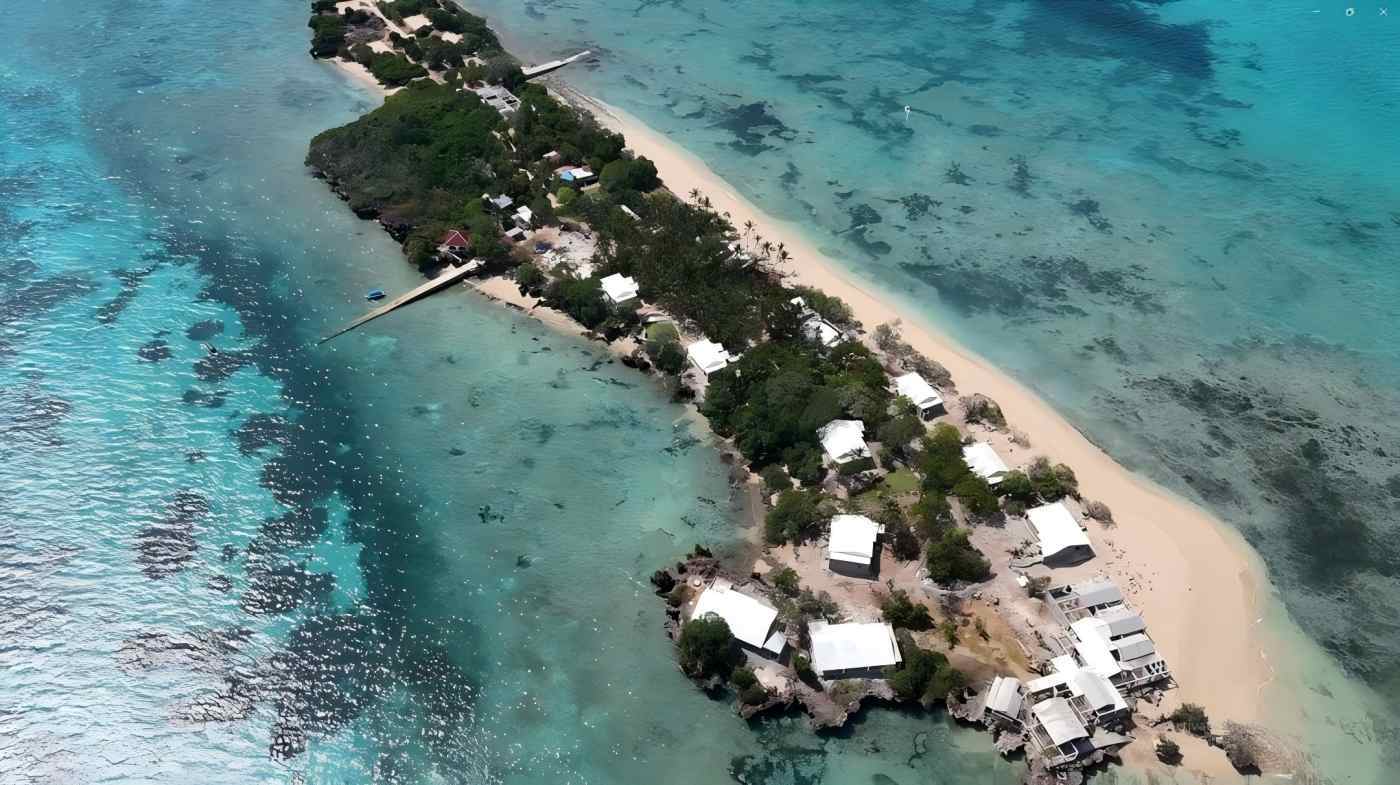
Beach Material Selection
The long-term performance of an artificial beach depends largely on the quality of the fill material.
Recommended beach sand should provide:
• Clean marine sand or washed river sand
• Low silt content
• Uniform particle size distribution
• Good permeability
• High resistance to erosion
• Environmentally compatible materials
Quality Assurance
Quality management is implemented throughout construction to ensure compliance with design specifications.
Key control items include:
• Beach elevation
• Beach width
• Beach slope
• Sand density
• Beach profile accuracy
• Settlement monitoring
• GPS survey verification
Environmental Protection
Environmental protection is integrated into every stage of construction.
Typical measures include:
• Installation of silt curtains where required
• Water quality monitoring
• Coral reef protection
• Seagrass habitat protection
• Sediment control
• Noise and construction impact management
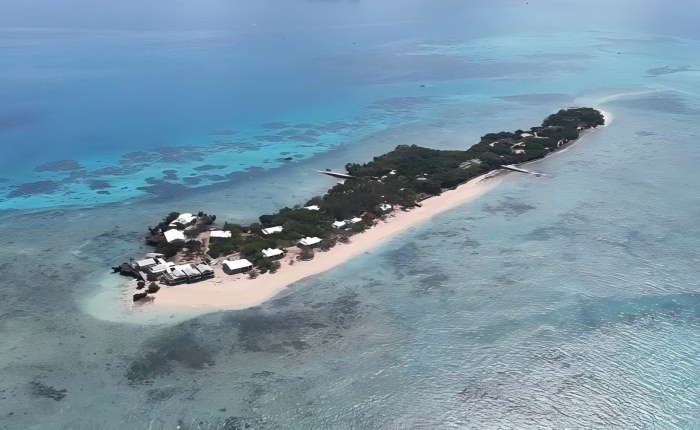
HOKBG Advantages
- Complete engineering solution from design to construction support
- High-Strength UV-Resistant Geo Tube Cofferdam System
- Manual installation without heavy lifting equipment
- Customized beach engineering design
- Rapid hydraulic filling construction
- Long-term shoreline stabilization
- Reduced environmental impact
- International technical support
Typical Applications
- Luxury Island Resorts
- Waterfront Hotels
- Private Island Developments
- Beach Clubs
- Coastal Parks
- Marina Developments
- Artificial Lagoons
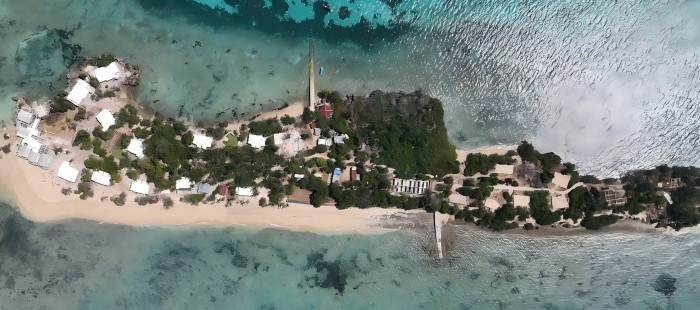
| Parameter | Specification |
Beach Width | Customized According to Project Requirements |
Beach Slope | Customized Based on Coastal Conditions |
Fill Material | Clean Marine Sand or Low-Silt Natural Sand |
Sand Quality | Uniform Grading, Low Silt Content |
Cofferdam System | HOKBG High-Strength UV-Resistant Geo Tube |
Beach Protection | Geo Tube / Concrete-Filled Membrane Bag / Rock Revetment |
| Construction Method | Hydraulic Sand Filling |
Shoreline Stabilization | Customized Coastal Engineering Design |
| Engineering Service | Design + Material Supply + Technical Support |
| Applications | Island Resorts, Luxury Hotels, Private Islands, Coastal Tourism Developments |
Geotextile Tubes: Structural Safety & Durability Challenges
Pain Point 01
Rapid Material Aging Shortens Project Lifespan
Customer Concern:
Traditional geotextile tubes degrade quickly under UV exposure and seawater erosion, leading to strength loss, cracks and breakage within a year. This results in sand leakage, embankment failure and high repair costs.
Solution:
Use UV-resistant high-strength geotextile tubes (tensile strength 35–250 KN/m, elongation >23%). With special treatment, the tubes can withstand natural exposure for 3 years in any marine environment, reducing embankment repair costs from the source.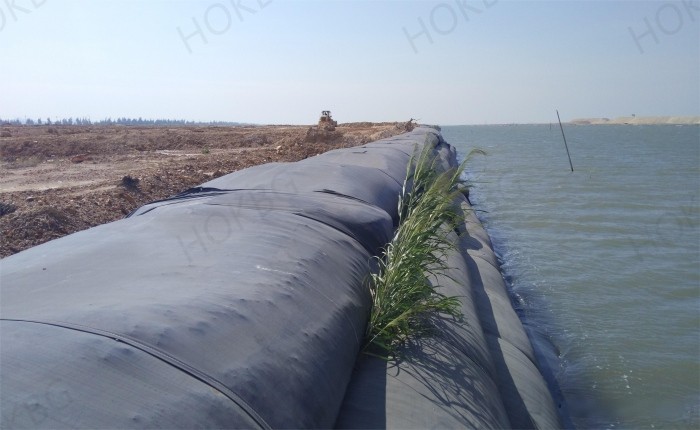
Pain Point 02
Weak Seam Strength Causes Tube Rupture
Customer Concern:
Conventional tubes are stitched with portable sewing machines, with seam strength ≤30% of base fabric. When filled with sand, seawater pressure often tears the seams, especially in ports with large tidal differences.
Solution:
Adopt industrial four-line parallel stitching, ensuring seam strength ≥70% of base fabric. With trapezoidal staggered stacking, overall shear resistance improves by 40%, preventing chain reactions from local damage.Constructing new marine settlements
Contact Person
