
Constructing new marine settlements
Home / Artificial Beach Cofferdam System for Island Resorts
Project Background
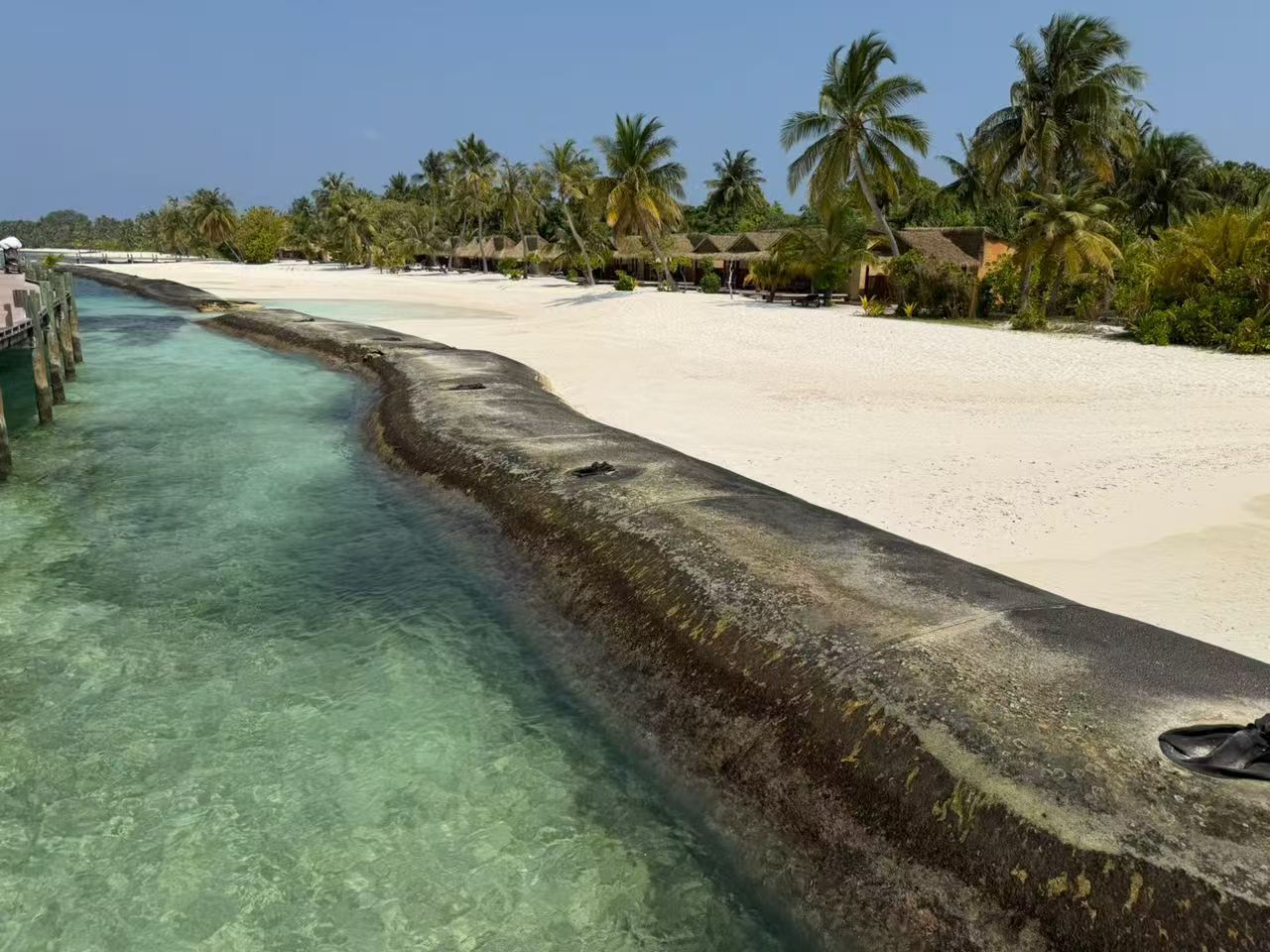
Artificial beaches have become an essential feature of modern island resort developments. They enhance waterfront landscapes, improve coastal accessibility, and increase the overall value of hospitality projects.
Artificial beach construction is typically carried out in intertidal zones or shallow coastal waters, where construction activities are influenced by tides, waves, and marine currents. Without an effective cofferdam system, fill sand can be washed away during hydraulic placement, resulting in reduced construction efficiency, higher project costs, and increased environmental impacts.
To establish a controlled construction environment, a reliable cofferdam system is required to isolate the work area from open water while retaining fill materials during beach nourishment.
HOKBG Geo Tube Cofferdam Solution
HOKBG provides a High-Strength UV-Resistant Geo Tube Cofferdam System specifically engineered for island resort developments, artificial beach construction, coastal protection, port infrastructure, and land reclamation projects.
The system utilizes HOKBG High-Strength UV-Resistant Geo Tubes as the primary cofferdam structure. Filled with clean sand or low-silt sand, the Geo Tubes form a stable and reliable containment system. Specifically engineered for demanding marine environments, they provide outstanding structural stability, excellent long-term durability, and superior resistance to ultraviolet (UV) exposure.
Depending on project requirements, the system can function either as a temporary cofferdam during construction or as a permanent coastal structure when protected with Concrete-filled membrane bag, precast concrete panels, rock armor, or other engineered revetment systems.
Temporary Cofferdam System
During beach nourishment and reclamation works, HOKBG Geo Tubes are rapidly installed to form a temporary containment barrier.
The enclosed construction area minimizes sand loss, improves filling efficiency, and effectively controls suspended sediment dispersion. After project completion, the temporary structure may be removed or incorporated into the permanent coastal works.
Permanent Cofferdam System
For long-term coastal protection or waterfront infrastructure, HOKBG Geo Tubes can be integrated into permanent engineering structures.
The completed Geo Tube core may be protected with Concrete-filled membrane bag, precast concrete panels, rock revetments, or other engineered protection systems, combining rapid installation with long-term structural durability.
Construction Procedure
STEP 01
Site Survey & Layout:
GPS surveying equipment is used to establish the cofferdam alignment and construction control points.
STEP 02
Geo Tube Installation:
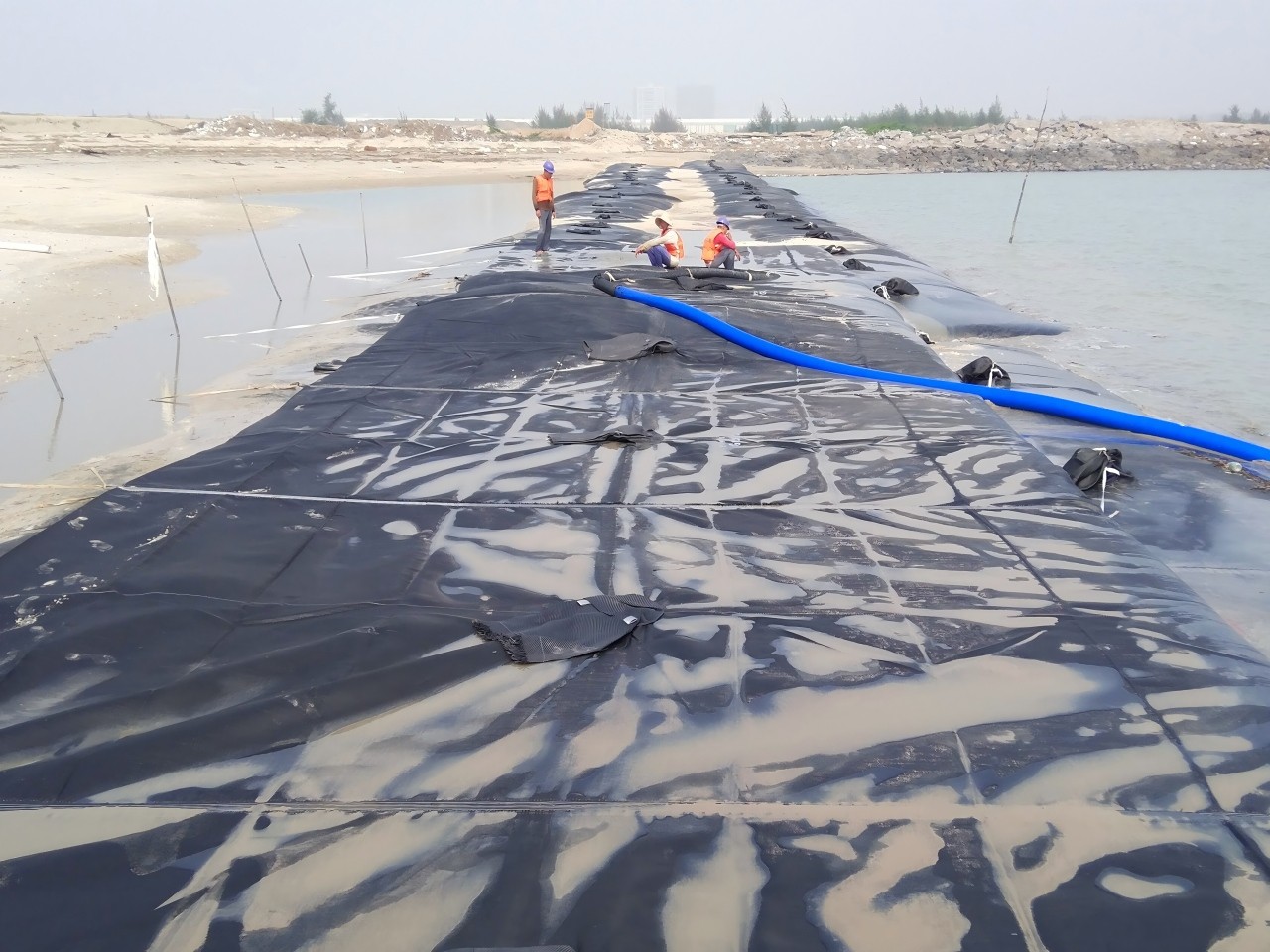
The HOKBG High-Strength UV-Resistant Geo Tubes are lightweight and highly flexible before filling. During low tide, they can be manually deployed, positioned, and connected without the need for heavy lifting equipment. This installation method significantly reduces equipment requirements and construction costs, making the system particularly suitable for island resorts, shallow coastal waters, tidal flats, and remote project sites with limited access.
STEP 03
Sand Filling:
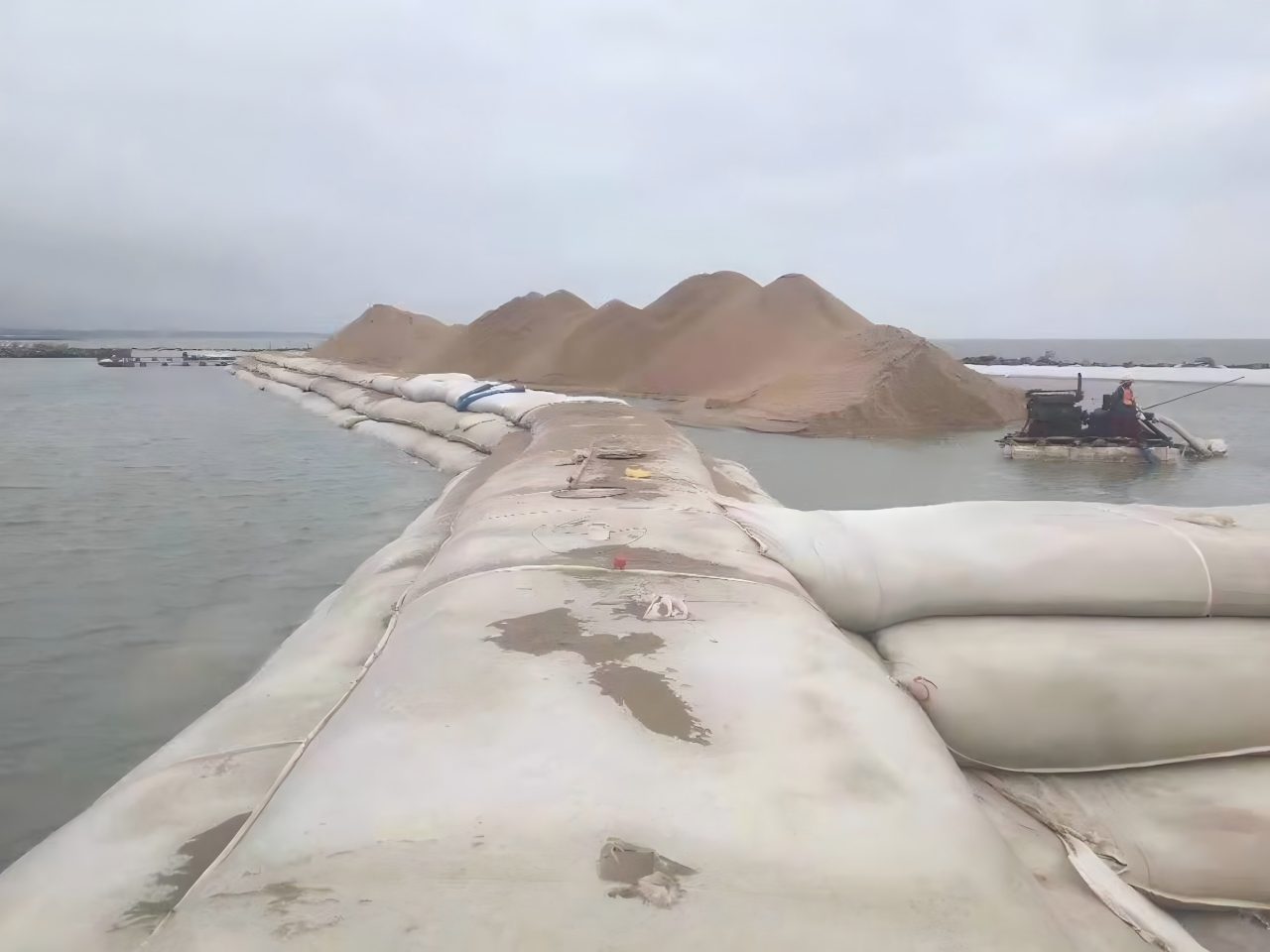
The Geo Tubes are hydraulically filled using sand pumps.
Clean medium-to-coarse sand or low-silt sand is recommended to achieve optimum drainage performance, rapid consolidation, and long-term structural stability.
STEP 04
Multi-layer Construction:
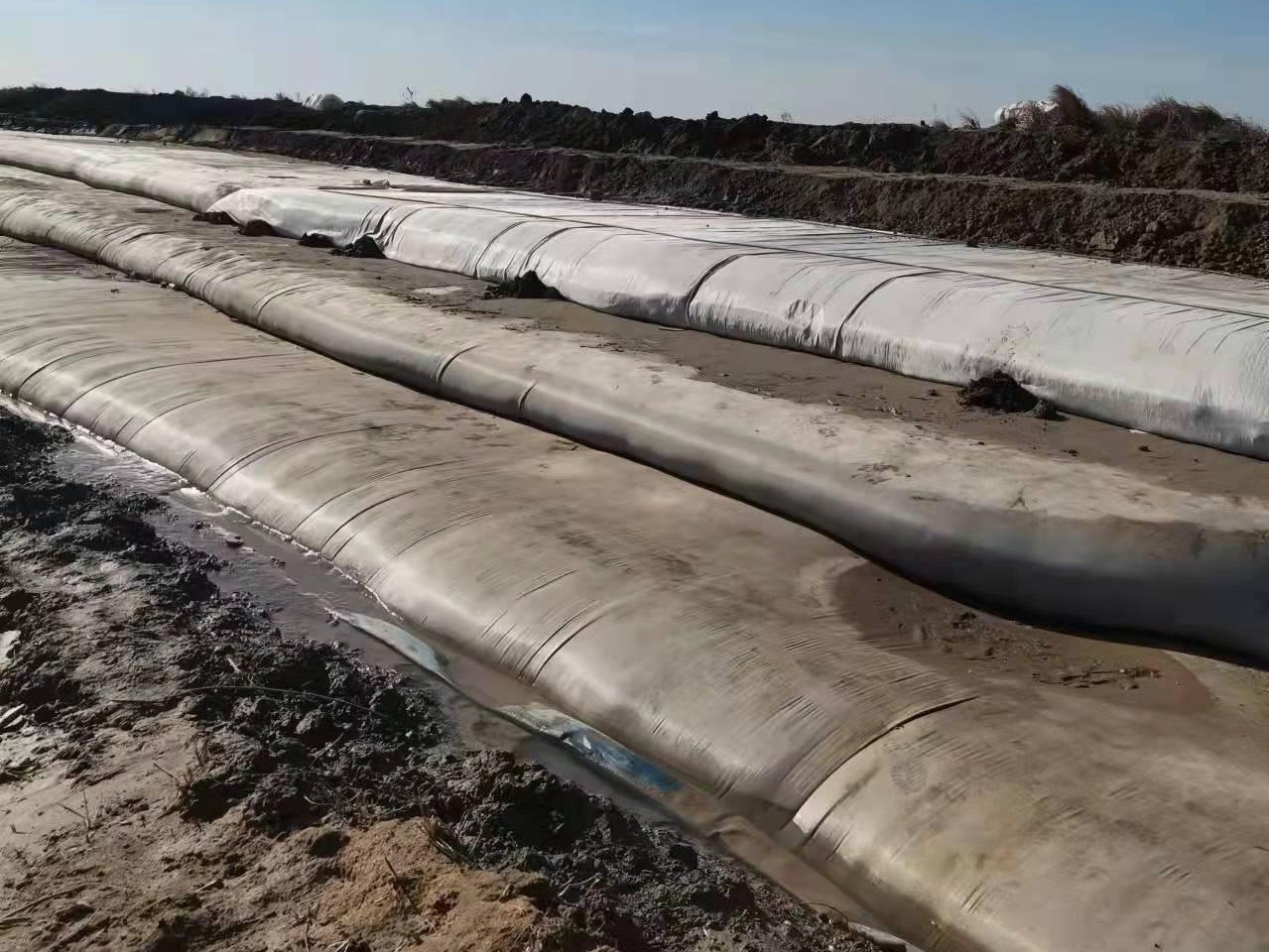
Depending on the design requirements, Geo Tubes are installed in single or multiple layers.
The finished height of each layer typically ranges from 0.5 m to 2.0 m, while staggered stacking enhances structural integrity and sliding resistance.
STEP 05
Beach Nourishment:
Once the cofferdam has been completed, hydraulic sand filling is carried out within the enclosed construction area. After filling, the beach is graded and compacted to achieve the designed beach profile, creating a stable, attractive, and functional beachfront suitable for resort development and recreational use.
Performance Benefits
- Manual installation without heavy lifting equipment
- Rapid deployment and shortened construction schedule
- Excellent UV resistance and long-term durability
- Reduced construction costs and equipment requirements
- Flexible design for temporary or permanent applications
- Environmentally responsible construction with reduced sediment dispersion
- Suitable for island resorts, coastal protection, land reclamation, and marine infrastructure
Compared with conventional rock-fill cofferdams or steel sheet pile cofferdams, the HOKBG High-Strength UV-Resistant Geo Tube System offers a lightweight, rapidly deployable, and environmentally responsible alternative. Its aesthetically pleasing appearance integrates naturally with coastal landscapes, making it particularly suitable for island resorts, beachfront hotels, and tourism developments where both engineering performance and visitor experience are important considerations.
Typical Applications
- Artificial Beach Construction
- Island Resort Development
- Resort Beach Development
- Permanent Coastal Protection Structures
- Land Reclamation Projects
- Port Expansion Works
- Shoreline Stabilization
- Marine Infrastructure Development
| Parameter | Specification |
| Product | HOKBG High-Strength UV-Resistant Geo Tube |
| Tensile Strength | 35–250 kN/m |
Elongation at Break | ≥23% |
UV Resistance | Retains 97% of mechanical properties after 500 hours of UV exposure |
Sewing Strength | ≥70% of the base fabric tensile strength |
| Finished Tube Height | 0.5–2.0 m per layer |
Recommended Filling Material | Clean Sand or Low-Silt Sand |
Installation Method | Manual Placement (No Heavy Lifting Equipment Required) |
Main Equipment | Sand barge, sand blowing pump, sand blowing pipe, bag laying pontoon, positioning buoy, lifting equipment, and measuring instruments |
Structure Type | Temporary Cofferdam / Permanent Cofferdam |
Permanent Protection Options | Concrete-Filled Membrane Bag, Precast Concrete Panels, Rock Revetment |
Typical Applications | Artificial Beaches, Island Resorts, Coastal Protection, Land Reclamation, Marine Construction |
Geotextile Tubes: Structural Safety & Durability Challenges
Pain Point 01
Rapid Material Aging Shortens Project Lifespan
Customer Concern:
Traditional geotextile tubes degrade quickly under UV exposure and seawater erosion, leading to strength loss, cracks and breakage within a year. This results in sand leakage, embankment failure and high repair costs.
Solution:
Use UV-resistant high-strength geotextile tubes (tensile strength 35–250 KN/m, elongation >23%). With special treatment, the tubes can withstand natural exposure for 3 years in any marine environment, reducing embankment repair costs from the source.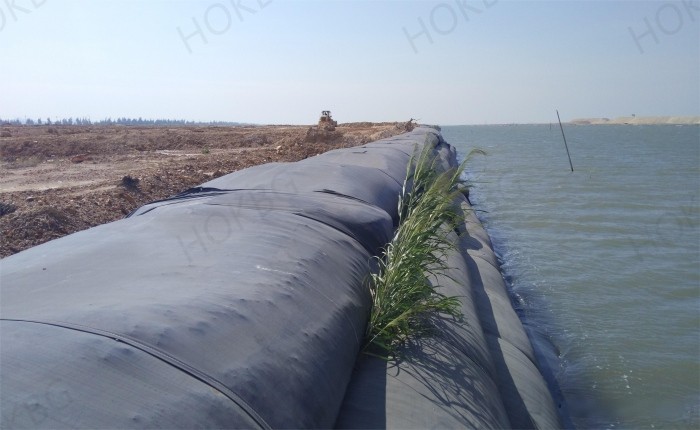
Pain Point 02
Weak Seam Strength Causes Tube Rupture
Customer Concern:
Conventional tubes are stitched with portable sewing machines, with seam strength ≤30% of base fabric. When filled with sand, seawater pressure often tears the seams, especially in ports with large tidal differences.
Solution:
Adopt industrial four-line parallel stitching, ensuring seam strength ≥70% of base fabric. With trapezoidal staggered stacking, overall shear resistance improves by 40%, preventing chain reactions from local damage.Silt Curtains: Environmental Compliance & Efficiency Challenges
Pain Point 01
Poor Design Leads To Low Pollution Control, Risk Of Penalties
Customer Concern:
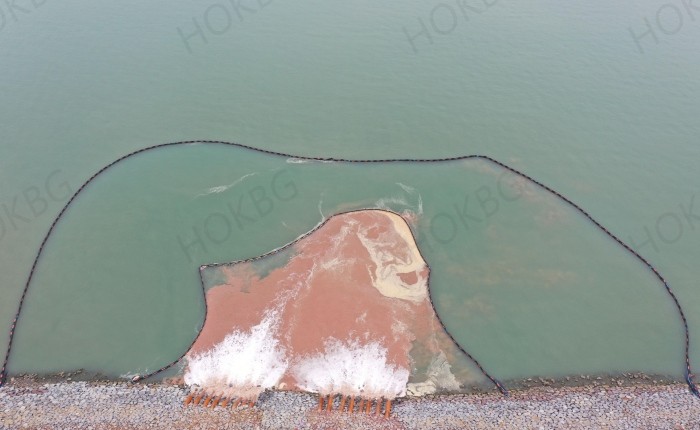
Conventional silt curtains use mixed fabrics sewn together, with overall strength <50% of base material. They fail under wave impact, leading to breakage, excessive turbidity, fishery disputes, fines and suspension risks. Sediment interception is often <60%.
Solution:
Useing high-strength permeable fabric in an integrated structure. Curtain strength = 100% of base fabric. With sandbag ballast (non-corrosive), sediment interception reaches >90%, while dissipating wave energy and ensuring compliance (permeability coefficient 1.5×10⁻³ m/s).Pain Point 02
Poor Durability, Frequent Replacements
Customer Concern:
Standard silt curtains lack UV resistance and seawater durability, lasting less than 1 year. This requires annual replacement, raising offshore operation costs and delaying schedules.
Solution:
Use anti-aging integrated silt curtains, durable for 3 years in seawater, cutting life-cycle cost by 50%.
Constructing new marine settlements
Contact Person
