
Shoreline Protection with Geotextile Tubes: Sustainable Coastal Erosion Control Solutions in Southeast Asia
1. Introduction: The Growing Need for Shoreline Protection
Coastal erosion is a serious environmental and engineering challenge affecting shorelines around the world. Waves, tides, ocean currents, storms, and rising sea levels continuously reshape coastal landscapes. Over time, these natural forces can remove large quantities of sand and sediment, threatening beaches, coastal infrastructure, residential areas, and valuable ecosystems.
The challenge is particularly significant in Southeast Asia. Countries such as Vietnam, Indonesia, Thailand, Malaysia, and the Philippines have extensive coastlines exposed to seasonal monsoons, tropical storms, strong tidal currents, and changing sediment conditions.
Traditional coastal protection methods, including concrete seawalls and rock revetments, have been widely used. However, modern coastal engineering increasingly considers flexible geosynthetic solutions as part of integrated shoreline management.
Geotextile tubes, also known as Geotubes, are an effective engineering option for suitable coastal protection applications. Manufactured from high-strength geotextile fabrics and hydraulically filled with sand or other suitable materials, these large tubular structures can help reduce wave energy, control sediment movement, and stabilize vulnerable shorelines.
As an experienced geotextile tube manufacturer, HOKBG has participated in numerous geotextile tube projects, providing customized products for different coastal protection and hydraulic engineering requirements.
2. What Causes Shoreline Erosion?
Before selecting a coastal protection solution, it is important to understand the main factors contributing to shoreline erosion.
Wave Action and Ocean Currents
Continuous wave action transports sand and sediment along and away from coastlines. During storms and periods of strong wave activity, erosion can accelerate significantly.
Ocean currents and tidal movements can also change sediment distribution, resulting in the gradual retreat of beaches and coastal land.
Monsoons and Tropical Storms
Southeast Asia experiences seasonal monsoon conditions and tropical storms. Strong winds, heavy rainfall, storm surges, and elevated wave energy can cause substantial damage to exposed shorelines.
For example, coastal areas along the eastern coast of Malaysia are particularly affected by the Northeast Monsoon, while parts of the Philippines and Vietnam experience significant coastal impacts during tropical storm seasons.
Sea-Level Rise and Climate Change
Rising sea levels increase the exposure of low-lying coastal areas to flooding and erosion.
The Mekong Delta in Vietnam is one example of a region facing multiple coastal challenges, including land subsidence, sediment reduction, and shoreline retreat.
Human Activities and Coastal Development
Port construction, dredging, land reclamation, sand extraction, and coastal development can disturb natural sediment movement.
Without appropriate engineering measures, these activities may accelerate erosion and damage nearby coastal ecosystems.
Understanding these factors helps engineers determine the appropriate design and installation arrangement for geotextile tube protection systems.
3. How Geotextile Tubes Work for Shoreline Protection
Geotextile tubes are large tubular containers manufactured from high-strength woven or nonwoven geotextile materials.
They are transported to the construction site in an empty condition and filled with sand, sediment slurry, or other project-approved materials using hydraulic pumping equipment.
After filling and consolidation, the tubes form large, stable structures that can be incorporated into different coastal protection systems.
Common applications include:
Submerged breakwaters
Shoreline stabilization structures
Coastal revetments
Groynes
Beach restoration projects
Mangrove protection and restoration
Riverbank and estuary protection
3.1 Reducing Wave Energy
Geotextile tubes can be installed parallel to the shoreline as submerged or emerged barriers.
When appropriately designed and positioned, they help dissipate incoming wave energy before it reaches vulnerable coastal areas.
This can create a relatively sheltered zone behind the structures and reduce direct wave impact on the shoreline.
3.2 Encouraging Sediment Accumulation
One important benefit of geotextile tube systems is their ability to modify local wave and current conditions.
In suitable locations, reduced wave energy can encourage sand and sediment to accumulate behind the structures.
Over time, this may support beach formation, increase foreshore elevation, and contribute to shoreline stabilization.
3.3 Supporting Mangrove Restoration
In tropical coastal environments, geotextile tubes can be incorporated into mangrove restoration projects.
By helping reduce wave energy and encouraging sediment deposition, properly designed coastal structures can create more favorable conditions for mangrove establishment.
This approach is particularly relevant to muddy coastlines in Vietnam, Indonesia, and Malaysia, where mangrove ecosystems play an important role in coastal protection.
Geotextile tubes should be considered as part of an integrated engineering and ecological solution rather than a replacement for natural coastal ecosystems.
4. Shoreline Protection Applications in Southeast Asia
Southeast Asia is an important market for geotextile tube applications because of its long coastlines, island geography, tropical climate, and growing marine infrastructure investment.
Vietnam: Coastal Erosion Control in the Mekong Delta
The Mekong Delta has experienced significant coastal erosion and environmental pressures.
Soft muddy shorelines, changing river sediment supply, land subsidence, and strong coastal currents create challenging engineering conditions.
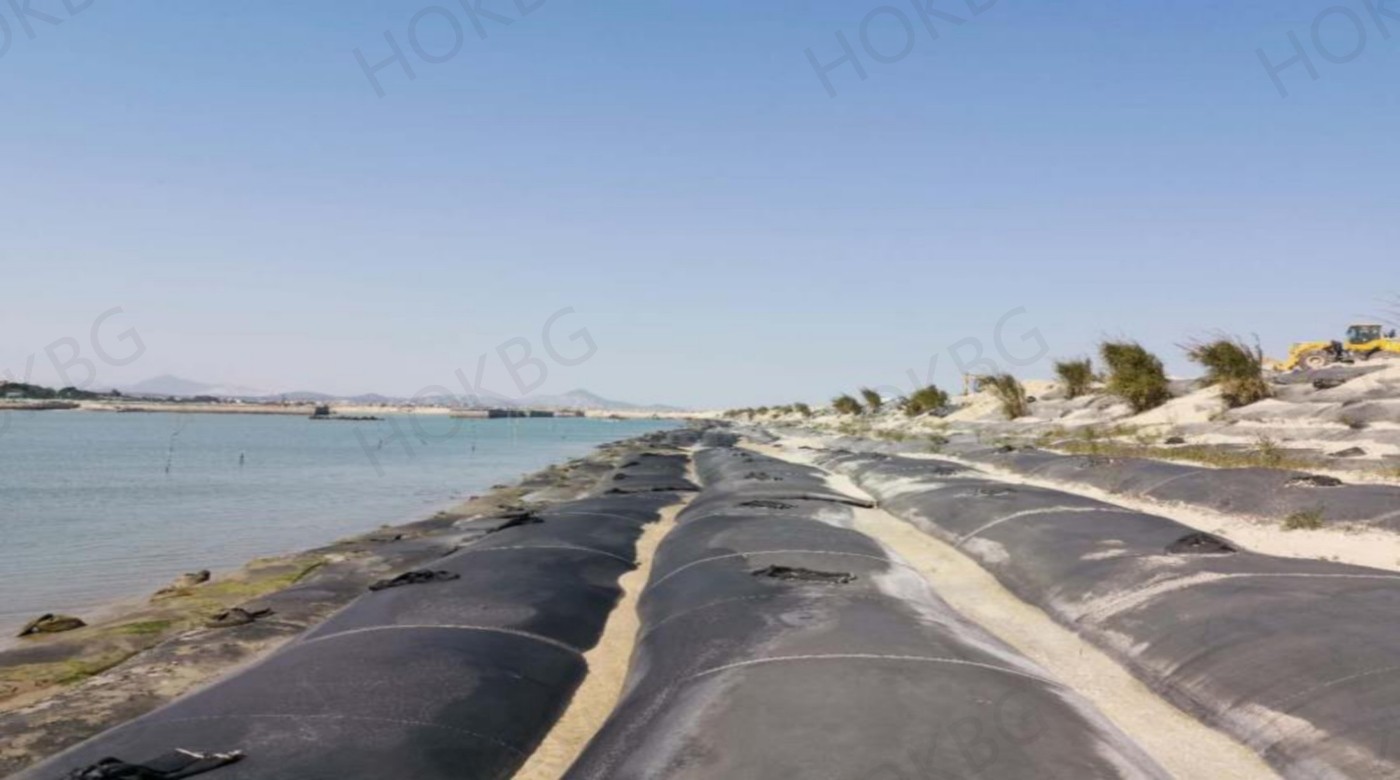
Geotextile tubes can be considered for suitable coastal stabilization projects, including offshore protection structures, sediment management, and mangrove restoration support.
They can also be integrated with other measures such as bamboo fences, permeable barriers, and mangrove planting.
Indonesia: Island Shoreline and Mangrove Protection
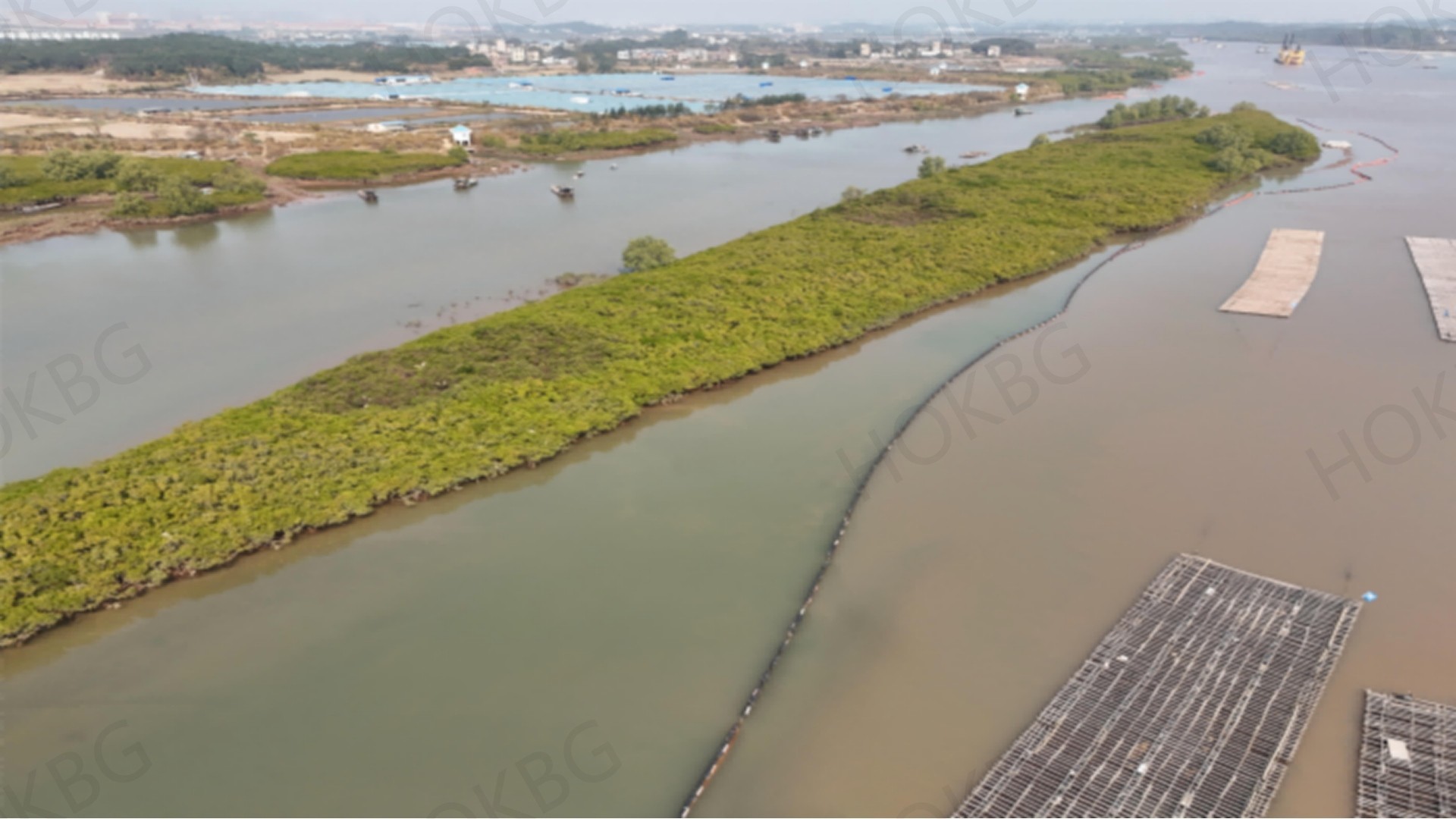
Indonesia's extensive archipelago includes many coastal communities, tourism destinations, and environmentally sensitive marine areas.
Coastal erosion threatens beaches, fishing villages, and mangrove habitats.
Geotextile tube structures can be used in suitable locations to help reduce wave impact and encourage sediment accumulation.
Their relatively flexible transportation and installation process can also be advantageous for certain island construction projects.
Thailand: Beach Protection and Coastal Tourism
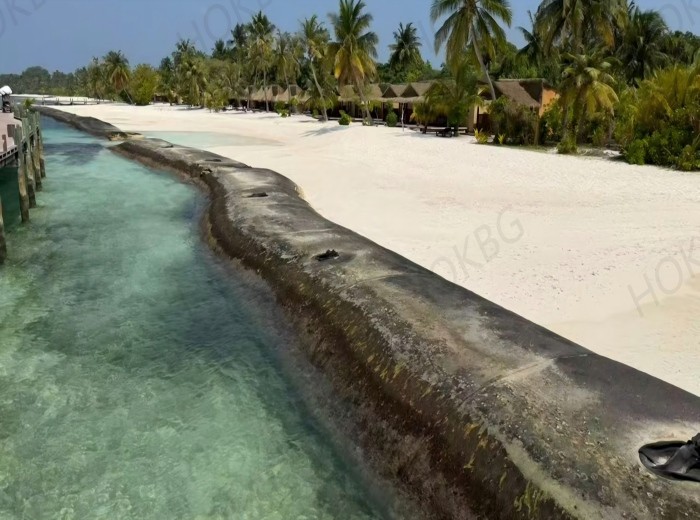
Thailand's beaches are important tourism resources. Coastal erosion can affect resort properties, public beaches, and waterfront infrastructure.
Geotextile tubes can be incorporated into beach restoration projects and submerged breakwater systems to help manage wave energy and sediment movement.
Malaysia: Submerged Breakwaters and Shoreline Stabilization
Malaysia has established experience with geotextile tube applications in coastal engineering.
Projects along the east coast of Peninsular Malaysia have explored geotextile tubes as submerged dykes to reduce wave energy and encourage sediment accumulation.
These applications demonstrate the potential of geotextile tube systems in sandy beach environments exposed to monsoon conditions.
Philippines: Coastal Infrastructure and Island Protection
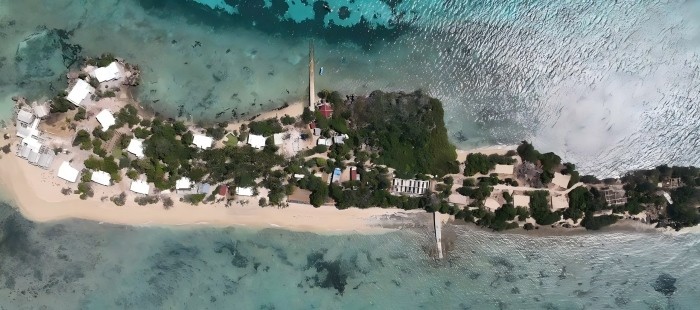
The Philippines has thousands of islands and extensive coastal infrastructure.
Beach erosion, storm surges, and coastal development create demand for effective shoreline protection measures.
Geotextile tubes can be considered for beach stabilization, coastal infrastructure protection, and selected marine engineering applications, subject to site-specific design.
5. Geotextile Tubes vs. Traditional Shoreline Protection Methods
Choosing the right coastal protection method depends on engineering requirements, environmental conditions, project budgets, and construction accessibility.
| Protection Method | Main Advantages | Considerations |
|---|---|---|
| Concrete seawalls | Strong and rigid coastal defense | Higher construction requirements and potential wave reflection |
| Rock revetments | Effective slope and shoreline protection | Requires large quantities of rock and heavy equipment |
| Rock breakwaters | Reduce incoming wave energy | Transportation and installation can be costly |
| Geotextile tubes | Flexible, large-scale sand containment and adaptable installation | Requires suitable fabric design, filling, anchoring, and protection against damage |
Geotextile tubes are not intended to replace every traditional coastal structure. Instead, they provide an additional engineering option that can be particularly useful where locally available filling materials and flexible construction methods are advantageous.
6. Important Factors When Selecting Geotextile Tubes for Coastal Projects
The performance of a geotextile tube system depends heavily on proper product selection and engineering design.
The following factors should be considered before manufacturing.
6.1 Fabric Strength and Durability
Geotextile tube fabric must withstand filling pressure, handling, installation forces, and long-term environmental exposure.
Important parameters include:
Tensile strength
Seam strength
Puncture and tear resistance
UV resistance
Abrasion resistance
Fabric permeability and apparent opening size
The appropriate material depends on the filling method and the project's operating conditions.
6.2 Tube Diameter and Length
Geotextile tubes can be manufactured in different diameters and lengths according to project requirements.
Larger tubes may be suitable for large-scale coastal protection structures, while smaller dimensions may be used for specific engineering arrangements.
6.3 Filling and Installation Method
Hydraulic filling is commonly used for large geotextile tube projects.
Engineers should consider pumping distance, filling pressure, sediment characteristics, dewatering requirements, and the expected final tube geometry.
6.4 Foundation and Scour Protection
Foundation conditions are especially important in soft muddy coastal environments.
Engineers may need to consider foundation preparation, geotextile scour aprons, protective layers, and additional anchoring measures to reduce settlement and undermining.
A site-specific design is essential for reliable long-term performance.
7. HOKBG: An Experienced Geotextile Tube Manufacturer for Coastal Protection Projects
HOKBG, operated by Hunan Xiangtan Haokang Ecological Materials Co., Ltd., is a professional manufacturer of geosynthetic materials in China.
We have manufactured and supplied geotextile tubes for numerous engineering projects, including coastal protection, shoreline stabilization, sediment management, and other hydraulic engineering applications.
With practical manufacturing experience, we understand that every project has different technical requirements.
Our capabilities include:
1. Customized Product Dimensions
We can manufacture geotextile tubes according to project-specific diameter, length, and structural requirements.
2. High-Strength Geotextile Materials
We select suitable woven or nonwoven geotextile fabrics according to the required tensile strength, permeability, durability, and filling conditions.
3. Professional Manufacturing and Sewing
Our production experience includes fabric cutting, industrial sewing, reinforcement, and customized tube fabrication to meet different engineering specifications.
4. Project-Based Technical Support
We work with engineering contractors, distributors, and project developers to understand their requirements and recommend suitable product configurations.
5. International Project Experience
We have supplied geotextile tube products for different international engineering applications and understand the importance of product quality, customized manufacturing, and export logistics.
Whether your project involves a coastal breakwater, beach restoration, riverbank protection, or mangrove rehabilitation, HOKBG is ready to discuss your requirements.
8. Conclusion: Building More Resilient Coastlines with Geotextile Tubes
Coastal erosion is a growing challenge for many countries, particularly in Southeast Asia, where monsoons, tropical storms, changing sediment conditions, and rapid coastal development place increasing pressure on shorelines.
Geotextile tubes provide a flexible engineering solution for suitable shoreline protection projects. They can help reduce wave energy, encourage sediment accumulation, and support integrated coastal restoration strategies.
From the sandy beaches of Malaysia to the muddy coastlines of Vietnam and Indonesia, geotextile tube technology offers opportunities for different coastal engineering applications.
Choosing an experienced manufacturer is an important step toward successful project implementation.
HOKBG has extensive manufacturing experience in geotextile tubes and is ready to support your next coastal protection project.
Contact us today at www.haokangbag.com to discuss your project specifications and request a customized quotation.